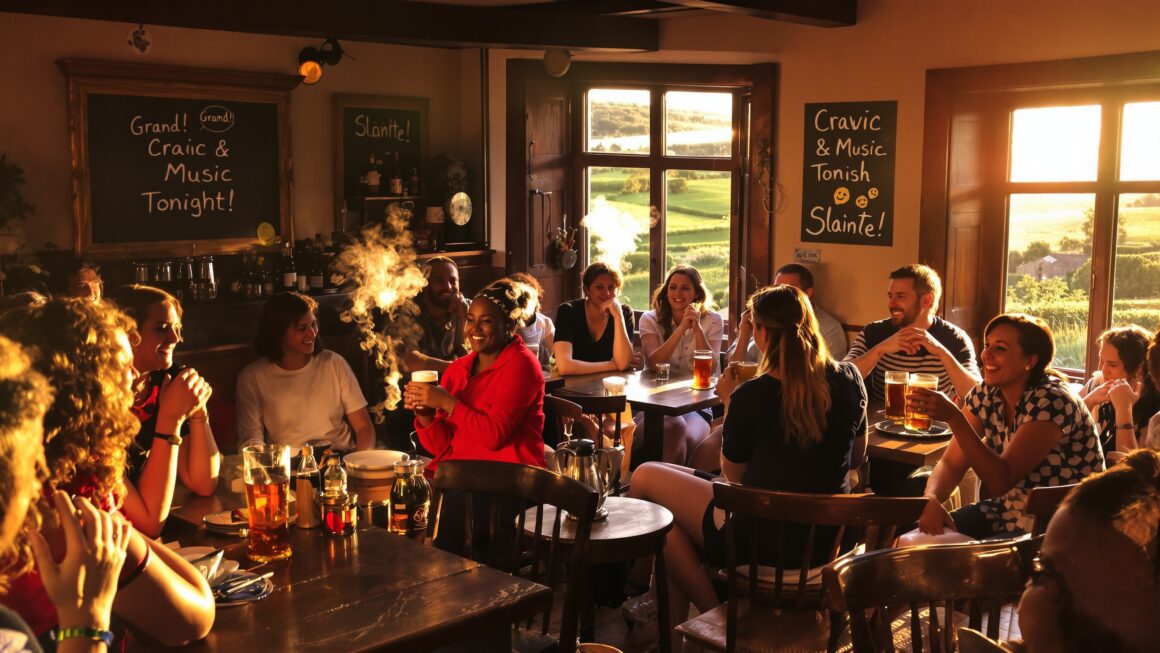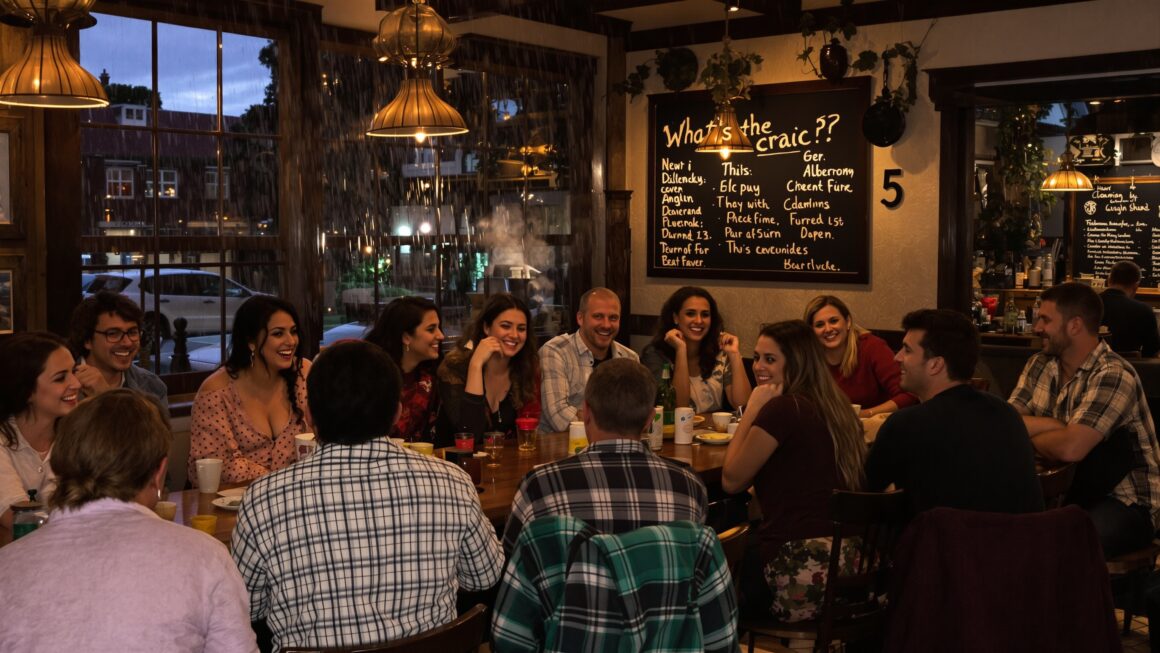
Ireland has a way of making the small things feel larger than life. From an automatic cuppa offered to strangers, to the national pastime of talking about the weather, these tiny habits carry history, humour and a huge dose of hospitality. Of course not everyone in Ireland does all of these, but you will spot these charming tics from Dublin to Dingle.
1. Saying ‘grand’ for everything
‘Grand’ is the Swiss Army knife of Irish responses — polite, vague and reassuring. It can mean fine, okay, brilliant, or ‘I don’t want to discuss this any further.’ When someone says ‘Thatʼs grand,’ smile and move on; it usually means youʼre fine.
2. Tea is the universal solution
Offer a problem, get a cup of tea. Whether celebrating, consoling, or negotiating, a kettle on is often the first step. Expect milk, strong brew, and a refusal of none until at least three invitations.
3. Weather chat as a national sport
Rain, sun, fog, hail — Ireland has all four in a day, so small talk about the weather is essential. Itʼs not just filler; it shows shared experience and empathy. Want to connect quickly? Ask about the forecast.
4. Understatement and indirect praise
A brisk ‘not bad’ can be high praise; ‘grand’ can be ecstatic. Irish understatement softens boasts and smooths social friction. Read between the lines and youʼll find the enthusiasm.
5. Directions by landmarks, not addresses
If someone tells you ‘turn left at the big stone with the dogs,’ donʼt panic. Landmarks are practical, memorable, and often decades older than street signs. Embrace the scenic route.
6. Banter and teasing as affection
Playful ribbing is a way of showing you belong. It can be sharp, so watch the tone, but in friendly circles the teasing is a sign of closeness rather than hostility.
7. Saving seats with coats, pints or a jumper
Putting a jacket or pint on a chair as a placeholder is common in pubs and family gatherings. Itʼs accepted etiquette — if you want it, ask, and if you borrow it, replace it.
8. Long, circular goodbyes
Leaving is rarely a quick event. Goodbyes will stretch with extra hellos, recalls for coats, the final ‘one more story.’ Itʼs part ritual, part reluctance to break a warm circle.
9. Making friends on the bus, in the shop, at the back of a queue
Strangers will chat. Itʼs normal and often delightful. Be prepared for instant recommendations, life stories, and offers of help — and you might make a friend before your stop.
10. Nicknames are national currency
Surnames and diminutives get reshaped into affectionate nicknames: O’Sullivan to Sully, Michael to Mick, or a cheeky nickname earned and wielded lovingly. If someone calls you by a playful name, itʼs usually a kindness.
11. Using ‘sure’ as a conversational softener
‘Sure’ starts, stops and cushions sentences: ‘Sure, itʼll be grand.’ It makes speech friendly and informal, smoothing over disagreements.
12. Nobody leaves a party empty-handed
Hosts and mates often insist you take something home — a leftover sandwich, a loaf, or a wrapped slice of cake. Itʼs a practical, warm way of saying you were welcome.
Practical tips for visitors
– Accept the tea if offered; saying yes is polite and a fast way into conversation.
– Join the banter with humility and humour; self-deprecation fits in well.
– Learn ‘What’s the story?’ or ‘How ya keeping?’ as handy conversation openers.
– Read cues: teasing is friendly, but if someone goes quiet they probably need space.
Why these quirks endure
Many habits grew from an island life where community mattered, where weather, hospitality and storytelling shaped everyday survival and pleasure. Theyʼre small social technologies that lubricate encounters, preserve warmth in a damp climate, and keep conversations flowing.
So next time you hear a friendly ‘grand’ or are handed a mug, remember: these quirks are invitations. They say, in their own understated way, youʼre welcome here.